US Dietary Guidelines 2025-2030: Complete Guide — Eat Real Food
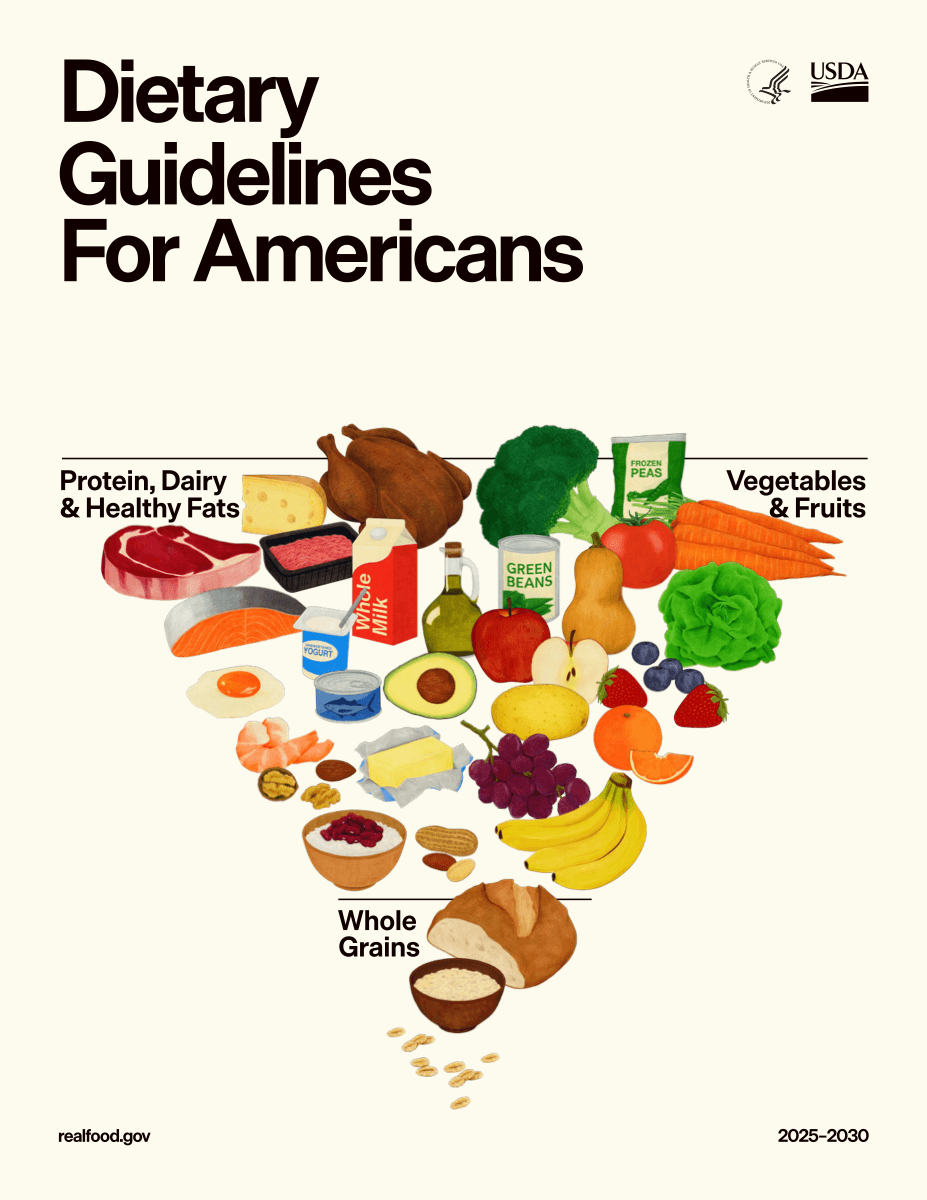
In January 2026, the U.S. government released its new Dietary Guidelines. The core message can be summed up in one phrase:
"Eat Real Food"
If you care about dieting or staying healthy, here's everything you need to know — broken down simply.
Why These Guidelines Matter
Over 70% of American adults are overweight or obese. One in three teenagers (ages 12-17) is pre-diabetic. And 90% of healthcare spending goes to treating chronic diseases.
These guidelines point to highly processed foods as the root cause of this health crisis and call for a fundamental shift in eating habits.
What's Changed from the Previous Guidelines (2020-2025)?
1. A Shift on Saturated Fat
| Item | Previous (2020-2025) | Current (2025-2030) |
|---|---|---|
| Saturated Fat | Strict limit below 10% | 10% limit maintained, but full-fat dairy recommended |
| Dairy | Low-fat/non-fat recommended | Full-fat dairy recommended |
| Butter/Tallow | Restricted | Allowed for cooking |
Key Takeaway: The "war on fat is over" — the perspective on healthy fats has fundamentally changed.
2. Protein Gets a Major Boost
- Higher targets: 1.2-1.6g per kg of body weight (higher than before)
- Protein at every meal: Include protein in all meals
- Mix it up: Eggs, meat, fish, legumes, and nuts are all encouraged
3. Ultra-Processed Foods Explicitly Limited
Previous guidelines were vague about processed foods. Now, the guidelines explicitly recommend avoiding ultra-processed foods:
- Chips, cookies, candy
- Sodas, energy drinks
- Artificial colors, artificial flavors, petroleum-based dyes
- Low-calorie artificial sweeteners (aspartame, sucralose, etc.)
4. Gut Health — A Brand New Addition
For the first time, the guidelines address gut health and the microbiome:
- Fermented foods recommended: kimchi, sauerkraut, kefir, miso
- High-fiber foods to support gut bacteria diversity
- Warning that ultra-processed foods can harm gut health
Key Recommendations at a Glance
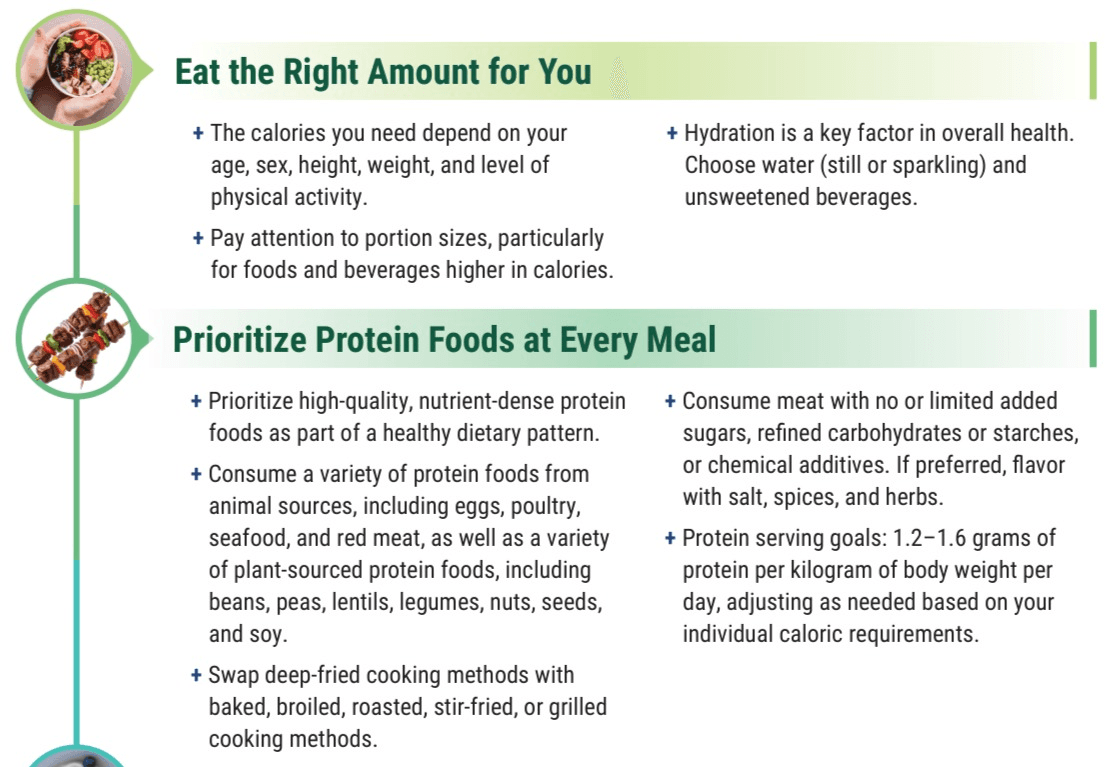
Eat the Right Amount for You
The calories you need depend on your age, sex, height, weight, and level of physical activity. Pay attention to portion sizes, particularly for foods and beverages higher in calories. Hydration is a key factor in overall health — choose water (still or sparkling) and unsweetened beverages.
Prioritize Protein Foods at Every Meal
Prioritize high-quality, nutrient-dense protein foods as part of a healthy dietary pattern. Consume a variety of protein foods from animal sources (eggs, poultry, seafood, red meat) and plant sources (beans, lentils, nuts, seeds, soy). Swap deep-fried cooking methods with baked, broiled, roasted, stir-fried, or grilled methods. Choose meat with no or limited added sugars, refined carbohydrates, or chemical additives. Protein goal: 1.2-1.6g per kg of body weight.
What to Eat
| Food Group | Recommended Amount (2,000kcal basis) |
|---|---|
| Protein | 1.2-1.6g per kg of body weight |
| Dairy | 3 servings per day (full-fat) |
| Vegetables | 3 servings per day |
| Fruits | 2 servings per day |
| Whole Grains | 2-4 servings per day |
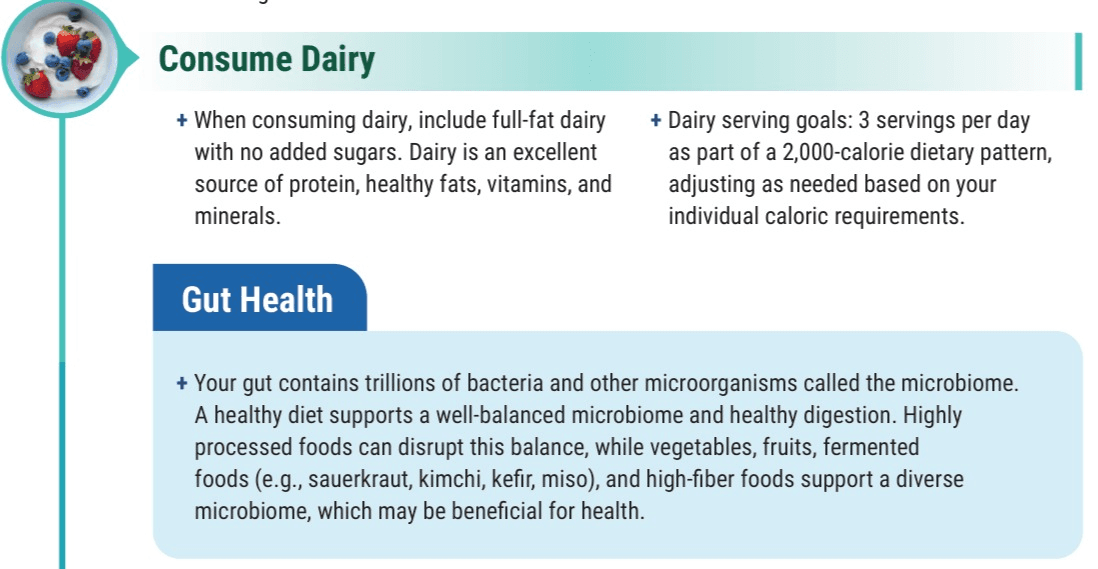
Consume Dairy
When consuming dairy, include full-fat dairy with no added sugars. Dairy is an excellent source of protein, healthy fats, vitamins, and minerals. Dairy serving goal: 3 servings per day as part of a 2,000-calorie dietary pattern, adjusting as needed based on your individual caloric requirements.
Gut Health
Your gut contains trillions of bacteria and other microorganisms called the microbiome. A healthy diet supports a well-balanced microbiome and healthy digestion. Highly processed foods can disrupt this balance, while vegetables, fruits, fermented foods (kimchi, sauerkraut, kefir, miso), and high-fiber foods support a diverse microbiome.
What to Avoid
- Added sugars: Less than 10g per meal
- Ultra-processed foods: Avoid as much as possible
- Artificial sweeteners: Not recommended
- Sugary drinks: Sodas, fruit juice drinks, energy drinks
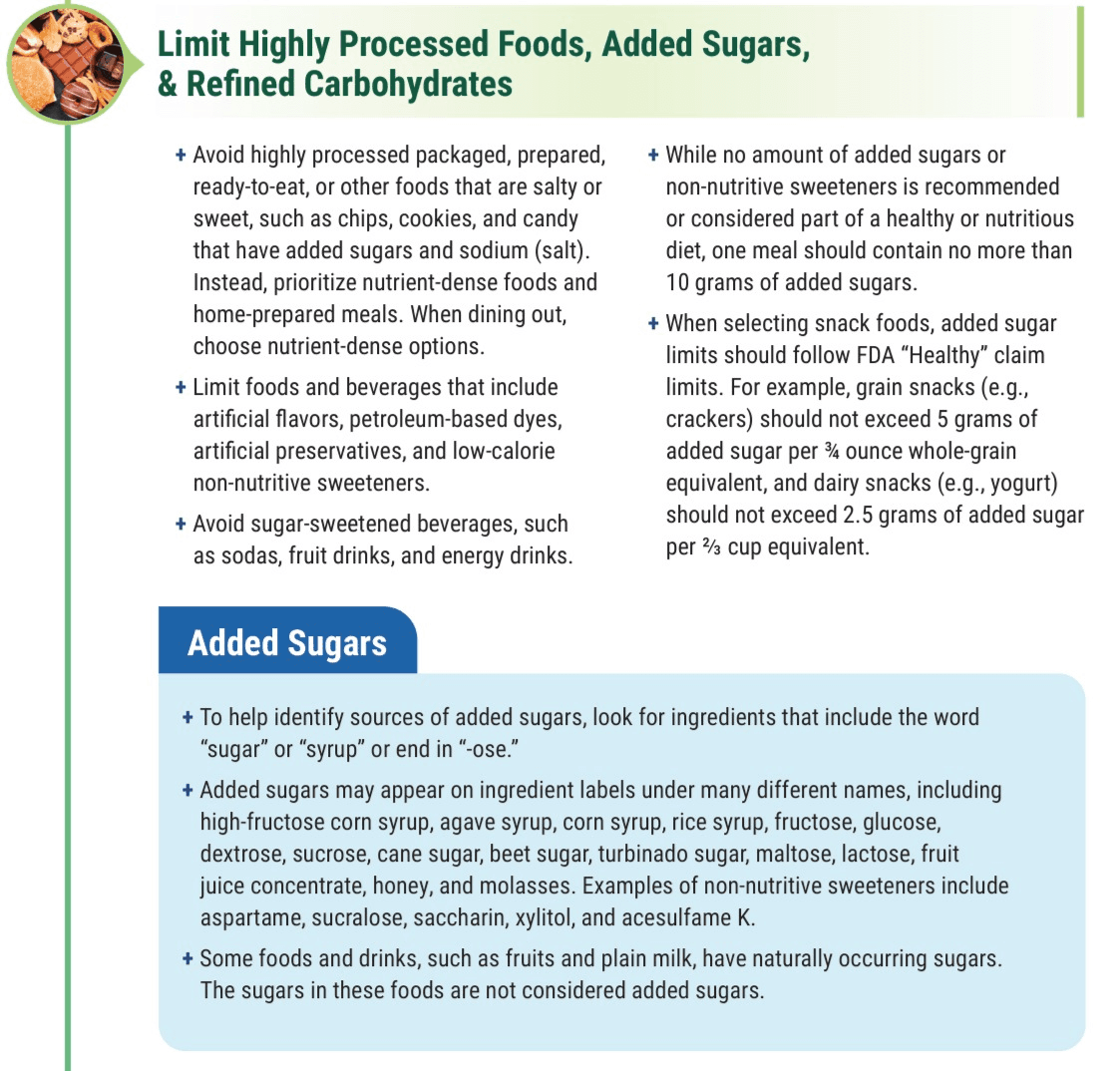
How to Spot Added Sugars
Look for these names on ingredient labels:
- Words ending in -ose: fructose, glucose, sucrose
- Syrups: high-fructose corn syrup, agave syrup, rice syrup
- Others: honey, molasses, fruit juice concentrate
Age-Specific Recommendations
Infants & Toddlers (0-4 years)
- Breastfeeding recommended until 6 months
- Transition to full-fat milk after 12 months
- Absolutely no added sugars
Teens (11-18 years)
- Increased need for protein, calcium, and iron during rapid growth
- Avoid energy drinks
- Encourage participation in cooking
Pregnant Women
- Prioritize iron, folate, and iodine
- Low-mercury omega-3 fish recommended (salmon, sardines, trout)
- Prenatal vitamins recommended
Older Adults
- Calorie needs decrease but nutrient needs stay the same or increase
- Protein, vitamin B12, vitamin D, and calcium are especially important
Notes for Vegetarians and Vegans
Nutrients that may be lacking in plant-based diets:
| Diet Type | Potentially Deficient Nutrients |
|---|---|
| Vegetarian | Vitamin D, E, choline, iron |
| Vegan | Vitamins A, D, E, B6, B12, calcium, iron, zinc, protein, etc. |
Recommendations:
- Regular nutritional monitoring
- Supplements as needed
- Combine various plant proteins to balance amino acid intake
Practical Tips: Start Today
- Drink water: Replace sodas with water or unsweetened beverages
- Cook more at home: Home-cooked meals over eating out
- Switch to whole grains: White bread → whole wheat, white rice → brown rice
- Get your protein: Include eggs, meat, fish, or tofu at every meal
- Add fermented foods: Kimchi, yogurt, miso, etc.
- Read labels: Check for added sugars and artificial additives
Final Thoughts
The core message of these guidelines is simple:
Eat real, unprocessed food. Cook at home. Get plenty of protein and healthy fats.
Don't get swept up in fad diets — getting back to basics is what these guidelines are really about.
References: